



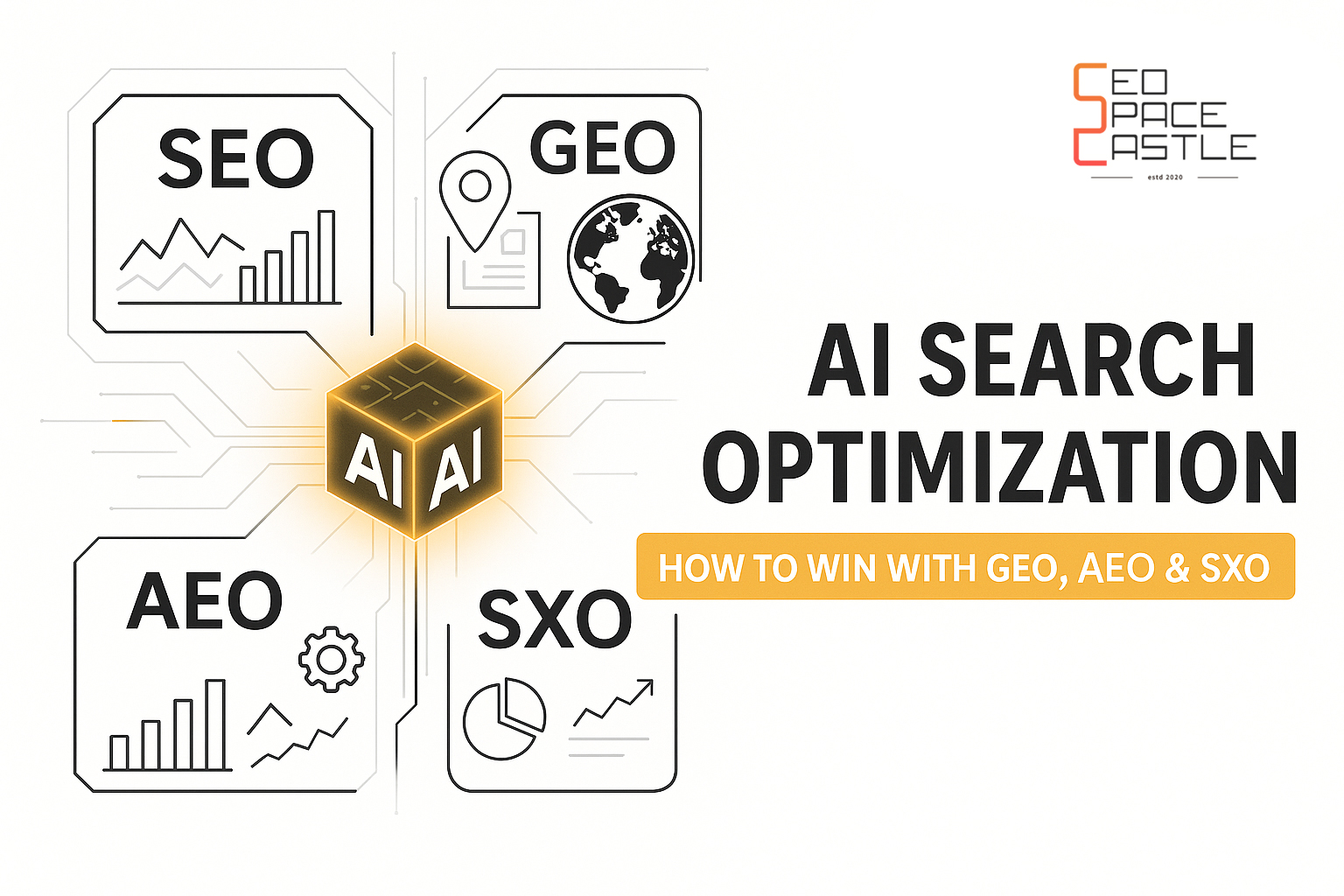
Wondering why 60% of Google searches now result in no clicks at all? Rise in AI Searches is the reason behind it. From AI-driven answers, instant summaries to featured snippets everything paved the way for AI ranking systems. This quick shift and rise of AI in digital marketing led to the urgency of AI optimisation including GEO, AEO & SXO. Did you know that around 80% share of AI powered chatbot referrals goes to ChatGPT? That's a huge chunk!
When Google still owns 90% of Global search, incorporating 13.6 billion queries daily. Let’s dive into the blog and about everything you need to know about AI search.
Table of Contents
- Overview of the Development of AI in Search
- Decoding AI Search: Context to Keywords
- What is GEO (Generative Engine Optimization)?
- Understanding AEO (Answer Engine Optimization)
- Unpacking SXO (Search Experience Optimization)
- How To Rank A Website For AI Searches
- Is traditional SEO still relevant in 2025, or should I fully switch to AI-based optimization?
- Frequently Asked Questions
1.) Overview of the Development of AI in Search
The scope of search has now broadened to encompass many more important factors that are way beyond than the blue links and keyword density. As AI-powered search engines like Google's SGE, Bing's Copilot, and Perplexity AI gained popularity, users are now using dialogues instead of one-word queries. Repetitive ideas regarding the curation, optimization, and presentation of content are possible results of this quaky shift. Greetings from the AI search era, where the new imperatives are SXO, AEO, and GEO.
2.) Decoding AI Search: Context to Keywords
According to traditional SEO web content should have keywords that align with the user's search intent. Whereas search engines powered by artificial intelligence prioritise factors incorporating the context and intent behind the search query along with better semantic understanding. After combining data from various sources, such AI engines offer more conversational and insightful responses. Don’t forget that AI search is not only about being indexed—it is more about the synthesization and surfacing of content. These shifts are necessary to master new frameworks related to GEO, AEO, and SXO.
3.) What is GEO (Generative Engine Optimization)?
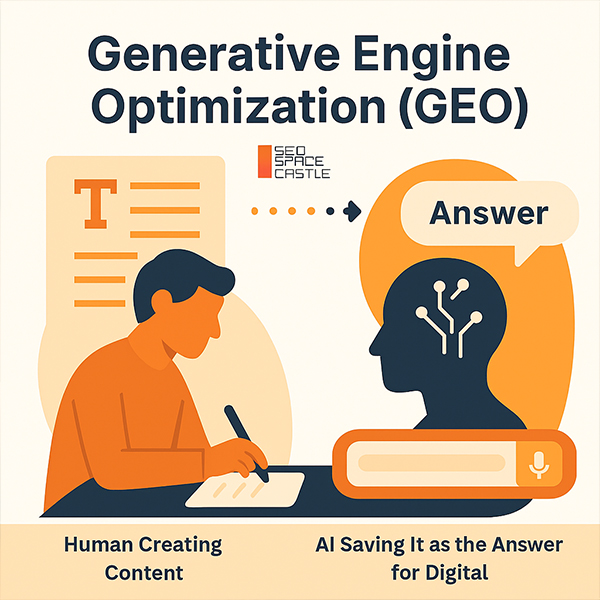
Generative Engine Optimization (GEO) is an advanced method to optimize the content in such a way so that search engines powered by artificial intelligence will display it and produce answers instead of list links. In order to compile some of the best original summaries, these engines must crawl, understand, and reassemble the entire amount of data. GEO is more about being included in generative responses than it is about rankings, in contrast to traditional SEO.
3.1) How GEO Transforms Traditional SEO
Generally the purpose of doing SEO is to rank a web page higher on Search Engine Result Pages while GEO primarily focuses on enhancing content quality in a way that it is quoted or synthesized by AI models organically. Content provided by GEO is advanced, minimalistic, highly contextual and attributed. It also offers quality content with source-citations. It anticipates searcher’s intent and provides clear, precise, and credible responses.
4.) Understanding AEO (Answer Engine Optimization)
Answer Engine Optimization, is all about curating such a content that answers everything a user might be looking for and for that you have to structure your content strategically. Rise of voice search, chatbots, and Google's featured snippets gave birth to this advanced concept. By incorporating AEO you can prepare your site to respond instantly. The best part is that your site’s content will respond actively even in the zero-click environments.
4.1) The Rise of Zero-Click Searches
If you have observed, when you enter a query, AI generated answers appear at the top of the page. Well, if this is the case, just wonder why people will click on the search results followed by it. Users are now getting all the answers directly on the results page—without even clicking. Now if you want your content to appear in this zero-click search result, you have to prioritize precision, relevancy, and easy consumption accessibility. AEO is a must have if you want to ensure that your content feeds these fast answers, rather than being lost somewhere beneath them.
5.) Unpacking SXO (Search Experience Optimization)
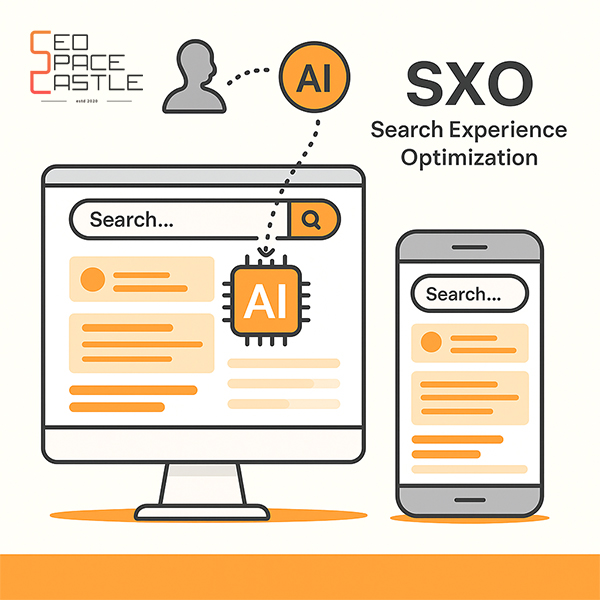
The term SXO is derived from SEO and UX. It incorporates the practices of search engine optimization and user experience to provide an intuitive and seamless experience to the ultimate users throughout their search journey. Bots and crawlers of search engines are no more restricted to crawling for indexing alone. Now they are highly developed to analyse the user behavior to understand it better than how they are interacting and these interactions might include clicks, scrolls, stay, bounce and engage.
5.1) Merging UX with SEO for User-Centric Search
By incorporating a well planned SXO strategy you can maximise user engagement with your website. To make the most of SXO you have to design structured layouts, CTAs and navigation. There’s no point in having a technically optimised website with poor usability. Similarly, a website with minimalistic and delightful design at front end is nothing if your codes are messed up at the backend and the website is too slow to load.
“Consider your website as a human replica of your brand and custom design it in a way that it has a fully fledged conversation with your clients.”
Always remember, it takes several experiences to build successful brands like yours and your website must deliver that experience to users, your clients.
6.) How To Rank A Website For AI Searches
I.) Use Conversational Prompts: Incorporate questions in H2s. As AI powered search engines use Natural Language Processing, your keywords should also be conversational. Like instead of “best HRM tools” use “What are some top HRM tools I can use to boost productivity in the year 2025?
II.) Structured Content: By incorporating bullet points, FAQs and tables you can make your content presentable and easily accessible for AI powered SEs to pick the relatable content segment of your content and quote it whenever a user enquiries.
III.) Semantic Richness: Stop restricting yourself to the scatter keywords. Go beyond the and unleash the power of topical depth. Focus on touching all the sub topics and create a strategic content cluster around it.
IV.) Design For UX Signals: Having insightful content and strategic keywords is of no use until you have a user friendly website structure. Make sure to keep a track of every activity on the website including scrolls, clicks, bounce back and improve consistently to deliver an unforgettable experience.
V.) Make The Most Of Structured Data And Schema: As we know optimisation is an ongoing process. Optimising your website for users alone is not sufficient, you have to optimise it for search engines as well. Incorporate schema.org tags like FAQPage, HowTo, Product, or Organization to help crawlers and bots fetch the meaning of your website content and parse through your website’s content. Incorporating Schema Markup is a part of Technical SEO which can be best done by experts, you can have your in-house team or you can look for SEO Agency in India.
Is traditional SEO still relevant in 2025, or should I fully switch to AI-based optimization?
Well, you are not alone with this question, even experts are trying to figure out. However, the most relevant answer is yes, traditional SEO is still relevant and it is also important to do dedicated efforts for AI-based optimisation. SEO is about optimising your websites according to the latest trends and factors by doing consistent efforts.
Traditional techniques should be there as a basic step in your SEO checklist but keep extending your checklist. AI-Powered SEs are trending and to make the most of these trending resources, you have to optimize your content for Generative Based Search Engines. What are the DOs & Don’ts you must consider for AI-based optimisation? Stay tuned for the extensive blog about how to rank for AI Searches.
Frequently Asked Questions
Rise in AI powered search engines and GEO, AEO & SXO practices doesn’t mean that SEO is dead. You have to ace your digital marketing game for AI Powered search engines as well. You need to go beyond ordinary SEO practices and make your content easily consumable for AI search engines.
Google SGE will exponentially impact the organic rankings. As by incorporating FAQ like format in the content will help to serve the information to AI bots in an easy way. Also by using conversational keywords and maintaining topical depth your website can rank higher organically.
Role of AI in SEO strategy is very crucial nowadays as AI search engines are gaining the hype. From general users to experienced professionals, people prefer the straightforward, summarised and exact match answers appearing on top of the SERP or quoted in AI chat bots. If you want your content to be quoted by AI chat bots you must focus on optimisation for artificial intelligence.
No AI will not change traditional keyword research. It will elevate the process and quality of your keywords. All you need to do is, change the approach. Now experts are focusing on the conversational and interrogative keywords that can be naturally incorporated by digging deeper into the respective topics.
No, there's nothing like “AI over Humans” or “Humans over AI”! In traditional SEO, conversational keywords are used to rank on google whenever a user enters a query in text or voice format. But when you are optimising for Artificial Intelligence you need to focus on the interrogative and long length keywords so your content is quoted by AI bots.