



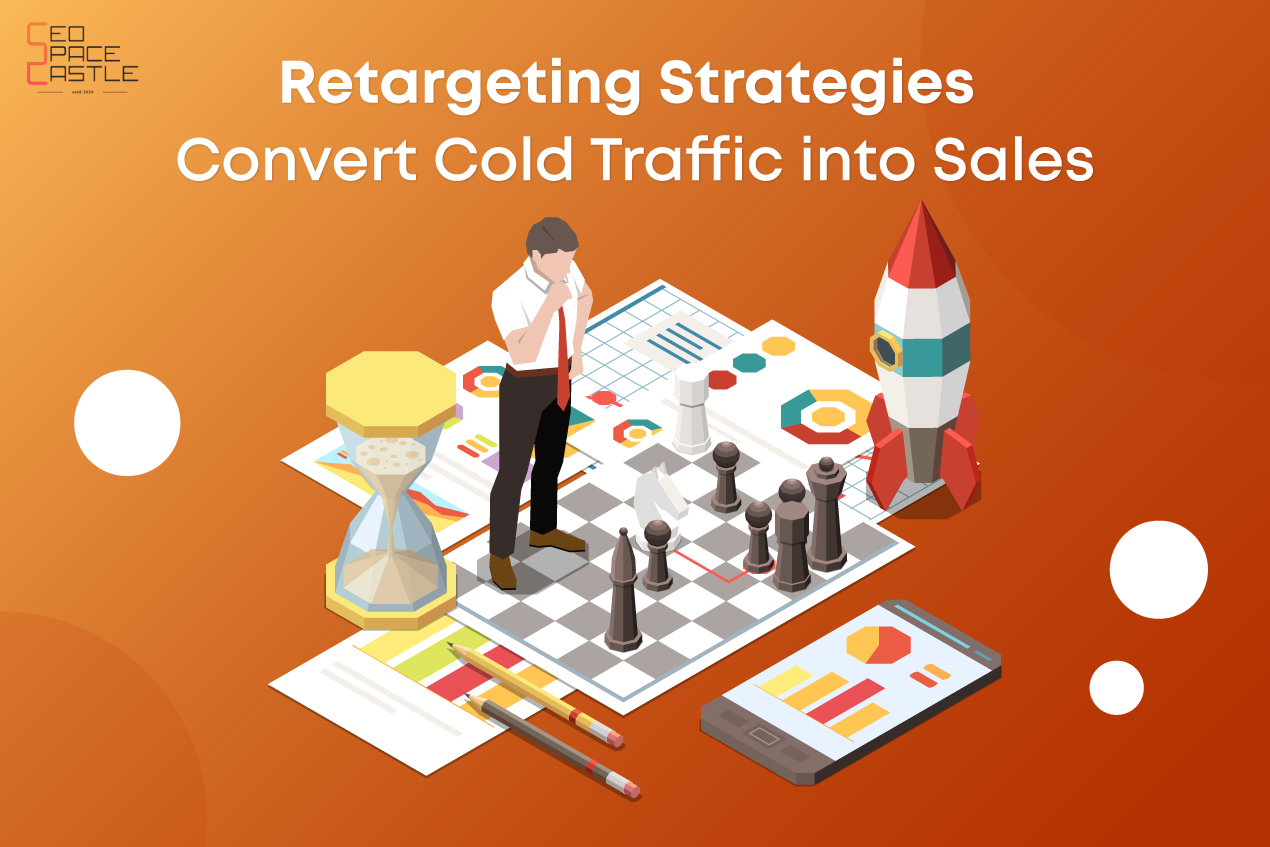
A buyer comes to your online store, adds a product to their cart, and then poof! They left without making a purchase... without even saying goodbye. It may sound very familiar, which is great because retargeting is the superhero of modern ecommerce marketing.
In 2025’s ecommerce landscape, which is hyper-competitive, retargeting isn’t a nice-to-have; it is essential. It bridges the gap between curiosity and conversion, converting a visitor who is browsing into a customer who purchases now.
Now let’s dive deep into how you can leverage ecommerce retargeting strategies to recapture lost traffic, develop trust, and ultimately drive sales that are consistent.
Table of Contents
- What Is Retargeting?
- Segment Your Audience Intelligently
- Build Personalized Landing Pages
- Craft Compelling Visual Retargeting Ads
- Use Social Media Remarketing Wisely
- Measure, Optimize, and Repeat
- Introduce Limited-Time Offers for Urgency
- Frequently Asked Questions
- Final Thoughts
What Is Retargeting?
Retargeting, sometimes referred to as remarketing, is a digital advertising approach that lets you show targeted ads to users who have visited your website or social media before, but have not completed a purchase.
A HubSpot study in 2024 found that retargeted visitors are 70% more likely to convert than first-time visitors. These users have some awareness of your brand; they just need an incentive to complete their purchases.
How do you turn that incentive into a purchase? Let's take a look.
Segment Your Audience Intelligently
Not every visitor left your site for the same reason. Some just browsed, some compared prices, and others abandoned their cart while checking out. That's why the best remarketing strategies for ecommerce begin with segmentation.
Segment your audience based on:
1.) Cart abandoners: Show them the exact product they left behind.
2.) Product viewers: Retarget them with similar or complementary products.
3.) Repeat visitors: Offer loyalty discounts or exclusive perks.
4.) Past customers: Showcase new arrivals or related items.
Build Personalized Landing Pages
One of the most overlooked ecommerce retargeting strategies is sending people to personalized landing pages instead of generic ones. When users click on a retargeting ad, they shouldn’t land on your homepage; they should go to a page that reflects what caught their attention before.
For example:
A user who viewed wireless earbuds should land on a page featuring those earbuds, not your entire electronics catalog.
A user who abandoned a checkout should land on a page offering a discount or free shipping to encourage them to complete their order.
Here are some personalization ideas:
1.) Display the product they viewed with an incentive, like “Back in stock!” or “Extra 5% off today.”
2.) Include reviews and trust badges to help reduce hesitation.
3.) Add a limited-time countdown timer to increase urgency.
When your landing page continues the story your ad started, the journey feels seamless. Your conversions will improve as a result.
Craft Compelling Visual Retargeting Ads
In ecommerce, visuals speak louder than words. The goal isn’t just to remind users; it’s to reignite desire.
Effective retargeting ad tips:
1.) Use carousel ads to showcase multiple related products.
2.) Add dynamic product ads that automatically show what users viewed.
3.) Highlight scarcity and urgency; “Only 3 left in stock!”
4.) Use social proof, such as “1,000+ happy buyers this month.”
According to a Google Ads study (2023), dynamic retargeting campaigns see up to 40% higher ROI than standard display ads. Why? Because they feel tailor-made for the viewer.
Use Social Media Remarketing Wisely
Social platforms such as Facebook, Instagram, and TikTok have changed ecommerce remarketing. You can target users who visited your site, engaged with your posts, or watched your product videos.
Best practices include keeping visuals suitable for each platform. Add clear calls to action, like “Shop Now,” “Claim Offer,” and “See New Arrivals.”
Rotate your creatives every 10 to 14 days to prevent ad fatigue. Use lookalike audiences, which are users similar to your current buyers. This expands your reach while maintaining relevance.
Measure, Optimize, and Repeat
Retargeting is not a "set it and forget it" strategy. You have to continuously test:
1.) Which ad creatives are converting the best?
2.) Does offering a discount or free shipping have a higher conversion rate than a non-discounted ad?
3.) Which audience segment has the best return on investment?
Be sure to track click through rates, conversion rates , and bounce rates with platforms such as Google Ads, Meta Ads Manager, or Hotjar.
Continuous testing allows ecommerce remarketing strategies to stay fresh, relevant, and profitable.
Introduce Limited-Time Offers for Urgency
Cold audiences require a sense of urgency in order to get them motivated to engage. Timed offers and scarcity cues convert better than anything else.
Examples:
Offer expires tonight!
Only 2 left in your size
Get 15% off for the next two hours.
Add this with some personalized retargeting ads or email reminders, and now you have a sense of now-or-never that frequently leads to immediate conversions.
Frequently Asked Questions
Both methods attempt to get previous visitors back to the merchant's site. Retargeting typically refers to the use of paid advertisements while remarketing focuses more on emails.
The most common guidance is for 14 or 30 days, depending also on your sales cycle. After that time, simply change the creatives to refresh and combat ad fatigue.
Yes. According to Think with Google (2024), personalized landing pages can improve conversion rates between 2 to 3 times greater than generic landing pages.
Yes. For example, both Meta Ads and Google Ads have a lot of flexibility when it comes to budgets to spend. You can also spend as little as $5 or $10 per day and get a great return on investment if you are targeting properly.
Using the same ad (or the same email) for all. Segmentation and personalization are the most important aspects here - not all of your visitors are at the same stage of the buying journey.
Final Thoughts
Cold traffic isn't really dead traffic. Each visitor who clicked that one time can click again as long as you know how to get them to come back. The most successful ecommerce brands are doing the following: Smart segmentation, Eye-catching visuals, Personalized landing pages, Consistent remarketing follow-up.
Don't forget that retargeting is not to chase customers -- it's to remind them of one (or many) reasons why they wanted to buy from you in the first place! Go ahead and implement these ecommerce retargeting strategies today, and you will see your cold traffic start to warm back up (to the checkout)!