



If you've been tuned in to the state of digital affairs, you have likely heard quite a bit of talk about AI Overviews, and zero-click searches. Along with that, there's one single question resounding everywhere - is SEO dead?
We have this debate every few years. It happened when voice search was introduced. At the reintroduction of featured snippets (and suddenly they are everywhere), and now it is with AI driven results. But, what's actually changing this time? And, what does that mean for the future of SEO?
Let's break it down into simple terms.
Table of Contents
- What Exactly Are AI Overviews and Zero-Click Searches?
- Why It Feels Like the End of SEO
- Understanding Zero-Click Search Behavior
- The Future of SEO in 2025
- So, Is SEO Dead?
- Frequently Asked Questions
- Final Words
1.) What Exactly Are AI Overviews and Zero-Click Searches?
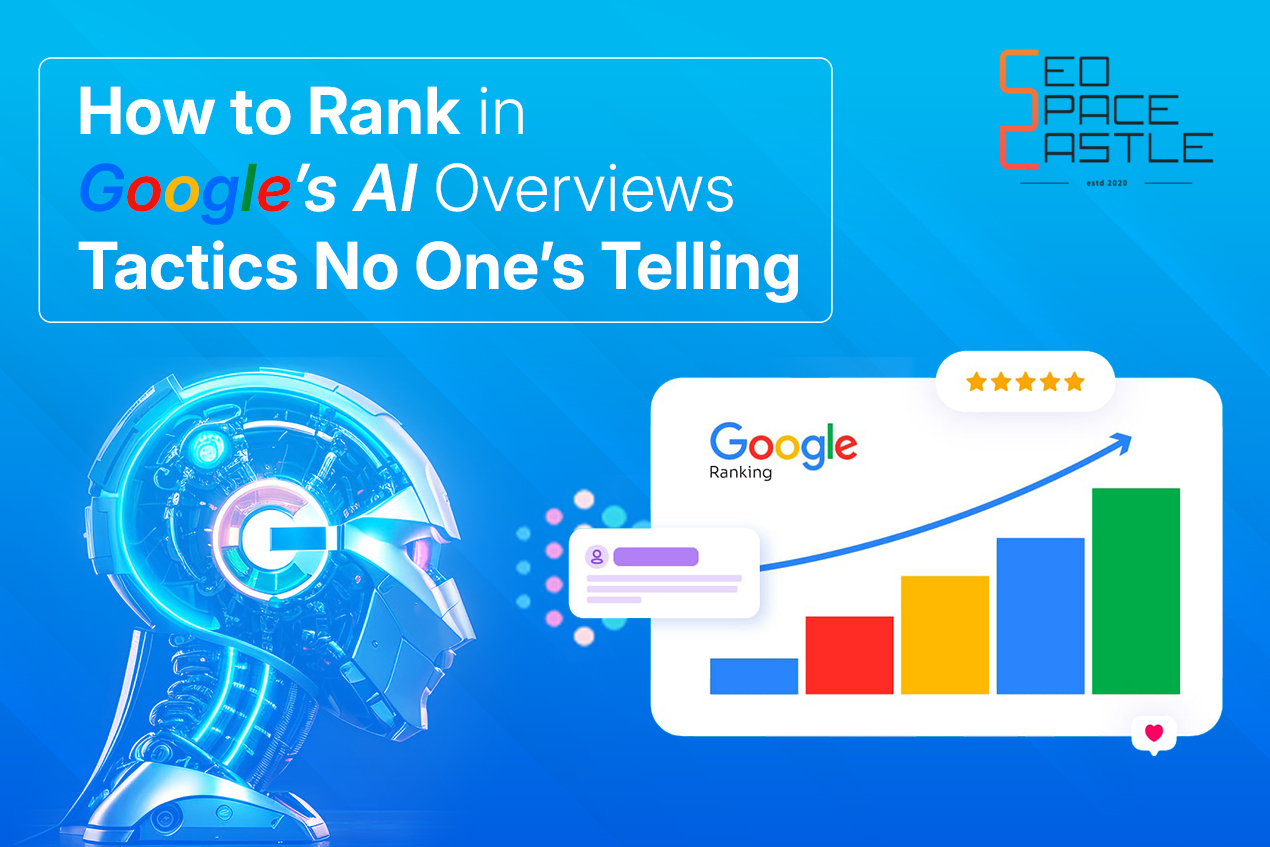
In 2024, Google launched a feature called AI Overviews, which utilizes their latest AI model to produce a summary response instantly at the top of search results. It's like having a condensed AI-generated answer that distills information from various websites each time you trigger it.
So, if someone entered the phrase "best running shoes for 2025", Google would display an above-the-fold AI-generated action-related summary of the standard results. In that summary, this could include recommended products, a side-by-side comparison of products, or even links to where to buy them - without the user ever having to click through to a website.
That’s referred to as a zero-click search, which is literally getting what you're looking for from the search page itself.
And that's creating all kinds of panic. If people are no longer clicking on links, what happens to all of the websites that are relying on ranking?
In fact, a 2024 study done by SparkToro, indicated that about 64% of all searches on Google ended in a no-click search. That means that more than half of the directive audience did not reach your site.
2.) Why It Feels Like the End of SEO
For anyone who has been involved with SEO for a long time, this is a significant change. It may be easy to think that SEO is dying because:
1.) Google's AI is providing answers directly on the search page—without a click.
2.) Dropping clicks even when you get the first position.
3.) Generic keyword-based content is losing its pistachio.
The truth is, the previous approach to SEO, where you could plugin keywords, build links and hope you're ranked, is not functional any longer.
This does not mean SEO is dying — it means SEO is evolving.
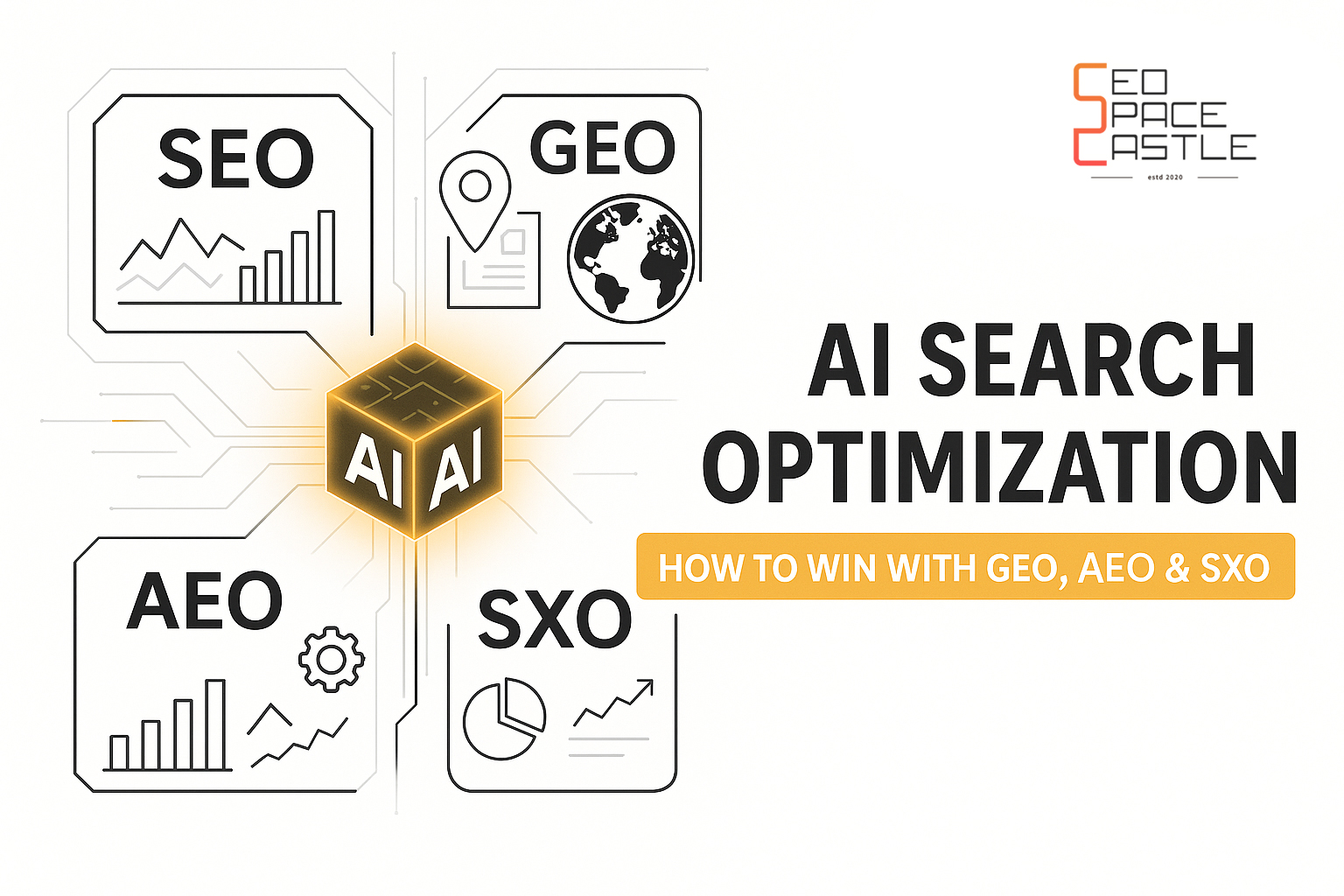
What is happening is an evolution from Search Engine Optimization to Answer Engine Optimization (AEO) — a new way of thinking, where your goal isn't just clicks, but to make sure your content gets included in the results Google and AI tools are showing along with the answer.
3.) Understanding Zero-Click Search Behavior
The method of search behavior is shifting. Users do not have the time or patience to scroll through 10 links to find one answer. They want information instantly -- and that's exactly what AI Overviews do.
At first, this seems bad for marketers. But if you take a step back, there is another read on it.
If your content is captured in AI-generated Overviews, or in "People Also Ask," your brand visibility is enhanced. Even if users do not click, they are still seeing your name. Over time this builds trust, recall, and even credibility -- which is just as effective as traffic.
The goal now is to be in the conversation. If your content ultimately provides clarity, factual information, and/or helpful insights, that is what AI will select -- and that is how you stay visible.
4.) The Future of SEO in 2025
To comprehend the trajectory of SEO, you have to recognize what has caused its evolution.
1.) Search Intent is Everything
Google has changed its focus from what users type to why they are searching. The reason for the search is now the decisive factor.
When someone searches "how to boost traffic to a website," the intent is to find a step-by-step guide, not a list of solutions. The content must align perfectly with the intent.
When the content aligns with what users are looking for, Google will reward you — whether through AI Overviews or in traditional search rankings.
2.) EEAT Has Become a Focus
EEAT stands for Experience, Expertise, Authoritativeness & Trustworthiness — and it is what Google’s AI relies on.
If you are writing on health, finance, or technology, you must provide true expertise. This can mean an author bio, citing reputable sources, or providing quality data.
A 2025 CMI study showed that 72% of the sites featured in AI Overviews had the author noted and cited.
You will need to make it appear that your content is authoritative if you want AI to feature it — and not just easy to read.
3.) Organized Data and Understanding
AI relies on organized data - that's how it understands context. By adding schema markup (like FAQs, reviews and how-tos) you are signaling to AI that your content is valuable and useful.
When your content is clearly written, organized, and well formatted, it has a better chance of being used in AI responses.
5.) So, Is SEO Dead?
No, SEO is not dead. It's just changing its shape. The tactics may look different, but the underlying cornerstone is the same — producing helpful, valuable, and reliable content for individuals.
Traditional SEO that relied upon keyword stuffing or exchanging backlinks is over. But strategic SEO focusing on intent, user experience, and authority is very much alive.
You aren't optimizing for algorithms anymore — you are optimizing for understanding.
Frequently Asked Questions
Because marketing is a fast-moving landscape. Following top marketing blogs will help you keep up on what's going on, helps you learn real marketing strategies, and avoid costly mistakes from trial-and-error.
Start with Neil Patel or Backlinko. Both do a good job of breaking down complicated elements in SEO in simple words.
HubSpot and Content Marketing Institute is ideal for founders looking to build their brand from scratch.
Aim for about 2 to 3 times a week. Even just a short read will help you keep your marketing strategies sharp.
Yes! All of these are free, regularly updated marketing blogs, and they all contain information you can use immediately.
Final Words
Is SEO on the way out? Definitely not - it's changing.
While traditional approaches may not perform as well, the purpose of a solid SEO strategy has not changed - to deliver relevant, quality content that is useful and TRUSTworthy to your audience.
The rise of AI Overviews and Zero-Click results does not mean SEO is going away; it challenges us to provide new, and better, content that is clear, useful for people, and useful for AI, too.
The future of SEO will belong to individuals who are willing to adapt to this change, who are authentic and real experts in their area of experience, and who write for intent - not Kim Kardashian-worthy clickbait headlines.