



Marketing is changing fast. The old days of just showing ads on social media or Google are fading. Today, audiences want to experience brands, not just see them. And that’s where AR (Augmented Reality) and VR (Virtual Reality) come in.
AR and VR are not just buzzwords anymore — they’re changing how brands connect with people. We’ve entered a new era where users can walk inside a brand’s story, try products virtually, and interact with ads in ways that feel real.
Let’s talk about how marketing is transforming through AR and VR, how brands are already using these tools, and what the future holds for augmented reality advertising, metaverse marketing, and 3D ads.
Table of Contents
- A Shift from Seeing to Experiencing
- Augmented Reality Advertising: Making Ads Interactive
- Metaverse Marketing: Building Brand Worlds
- The Rise of 3D Ads
- The Future Ahead
- Frequently Asked Questions
- Final Words
1.) A Shift from Seeing to Experiencing
The biggest change AR and VR bring to marketing is the move from “seeing” something to “experiencing” it.
Traditional ads were about showing information — a video, a poster, or a catchy slogan. But with AR and VR, people can interact with the product. They can test it, feel it, and imagine owning it — all without leaving their space.
Augmented Reality (AR) adds digital elements to the real world — like Snapchat filters, virtual try-ons, or AR shopping apps. Virtual Reality (VR), on the other hand, builds a whole new world where you can walk, move, and explore.
For example, brands like IKEA and Lenskart use AR to help users see how furniture or eyewear would look before buying. That level of personalization builds confidence and emotional connection — something traditional ads can’t do.
As Apple’s CEO Tim Cook said, “AR will change everything about how we use technology — including how brands communicate with people.”
2.) Augmented Reality Advertising: Making Ads Interactive
Augmented reality advertising is giving new life to digital campaigns. It makes ads feel alive. Instead of just watching a video or scrolling past a banner, users can engage with the brand in real time.
Think of scanning a product label to see a 3D demo appear on your phone, or pointing your camera at a billboard that turns into a live video ad. This isn’t science fiction — it’s already happening.
Examples that stand out:
1.) Pepsi’s AR Bus Shelter Campaign in London surprised people with virtual UFOs and tigers on the street.
2.) Sephora’s Virtual Artist App lets customers try makeup shades virtually before purchase.
3.) IKEA Place allows users to drop 3D furniture models into their rooms to see how they fit.
These campaigns don’t just attract attention; they make people remember the experience.
A 2024 Deloitte study revealed that AR experiences increase brand recall by 70% and purchase intent by 45%. People remember what they interact with. That’s why AR ads are proving to be one of the most powerful marketing tools of this decade.
3.) Metaverse Marketing: Building Brand Worlds
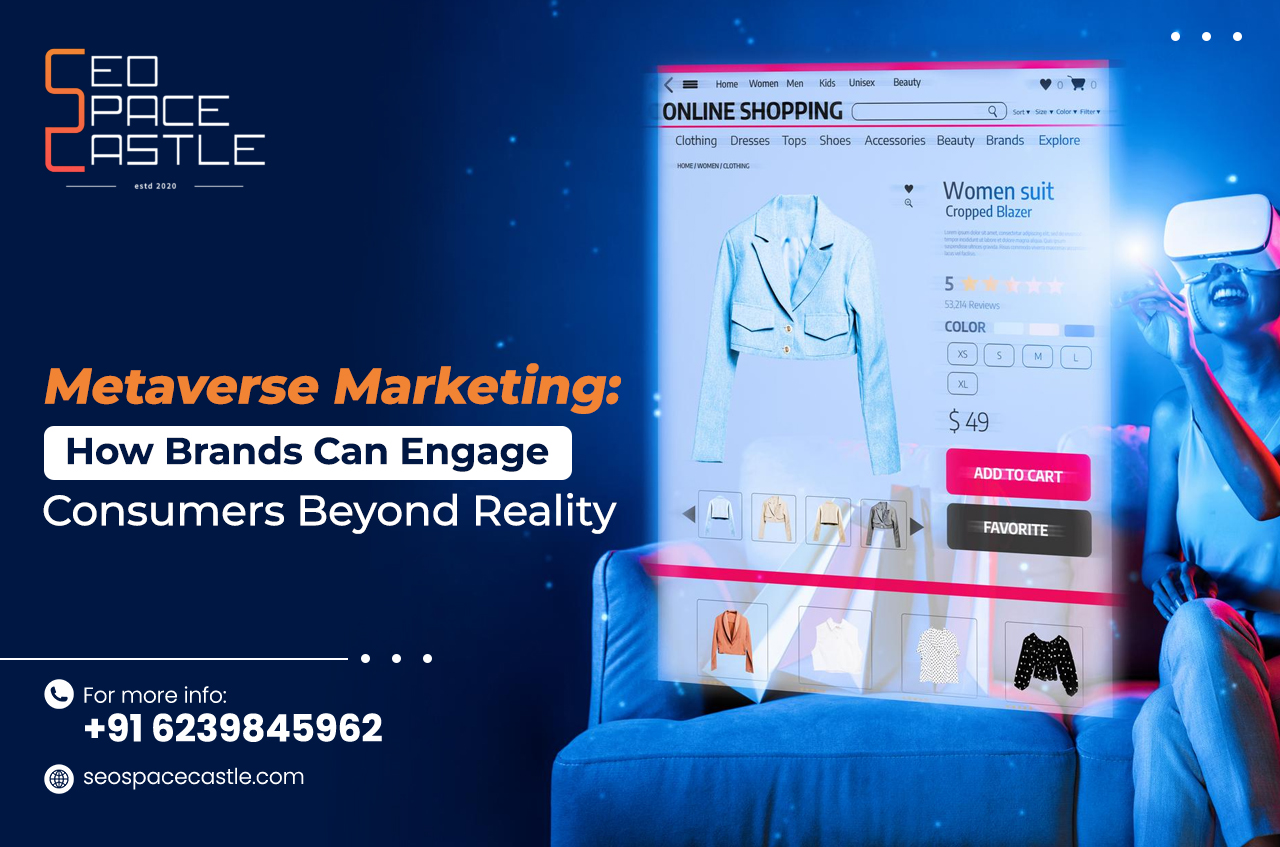
The metaverse is changing how we think about brand presence. It’s a virtual space where people can work, play, and socialize using digital avatars. For brands, it’s an entirely new marketing playground.
In metaverse marketing, companies aren’t just placing ads — they’re building their own digital spaces, hosting events, and creating experiences.
Nike built Nikeland inside Roblox, where users can explore virtual arenas and buy digital sneakers for their avatars. Gucci launched Gucci Garden, where people can try on virtual outfits and purchase them as collectibles. Coca-Cola released digital collectibles inside Decentraland, merging nostalgia with new-age tech.
The metaverse gives brands something they’ve always wanted — deeper engagement. Instead of reaching thousands of people for a few seconds, they can immerse them for minutes or even hours.
According to a 2024 report, more than half of global brands plan to invest in metaverse marketing by 2026. Virtual storefronts, branded worlds, and digital events are becoming part of regular marketing strategy.
4.) The Rise of 3D Ads
A significant change occurring in digital marketing is the emergence of 3D advertising.
Rather than using flat images or video, 3D ads allow for the exploration of a product through a virtual experience where users can rotate, spin, and observe. The experience is much more realistic and immersive.
For example, Adidas developed 3D advertisements for their line of sneakers that allowed users to rotate the shoe in 3D view and look at the sneaker from every angle before making a purchase. Amazon also offers customers a 3D view of the product that is meant to allow customers to visualize and project how the product may fit in their home context before clicking to add to their cart.
Marketing expert Gary Vaynerchuk notes, "3D advertising changes the way people trust the brand. When you can experience it virtually, it feels real - and that trust leads to customer conversion."
While 3D ads are being developed and explored, they already serve as a bridge between the experience of a product and the purchase decision. They allow users to imagine themselves owning the product rather than just showing the product.
5.) The Future Ahead
The future of marketing will live somewhere between the real and the virtual. In just a few years, consumers won’t think twice about looking at an AR ad on their phone or about going to a VR product launch at their house. Imagine going to a store where the entire product display changes according to your preferences. Or going into a brand’s virtual world before you purchase it. This is not far in the future, it is actually already happening.
As Mark Zuckerberg said “Immersive will be the next evolution of the internet; presence will matter more than posts” For marketers, this is an opportunity to play and learn how to design experiences and not content.
Learn to use storytelling, not just effects. Those brands that crawl in now will be the ones leading the conversation.
Frequently Asked Questions
Because marketing is a fast-moving landscape. Following top marketing blogs will help you keep up on what's going on, helps you learn real marketing strategies, and avoid costly mistakes from trial-and-error.
Start with Neil Patel or Backlinko. Both do a good job of breaking down complicated elements in SEO in simple words.
HubSpot and Content Marketing Institute is ideal for founders looking to build their brand from scratch.
Aim for about 2 to 3 times a week. Even just a short read will help you keep your marketing strategies sharp.
Yes! All of these are free, regularly updated marketing blogs, and they all contain information you can use immediately.
Final Words
AR and VR are not the future of marketing — they're the here and now.
With advertising in augmented reality, metaverse marketing, and interactive 3D ads, the entire landscape is trending toward engagement and experience.
People don't want to be told what to buy anymore. They want to see, try, and touch — virtually. Brands that understand this shift will create greater connection, recall, and trust.
The message is clear: marketing is leaving the screen and entering into the world around us. Those who evolve along with the industry will continue to lead the way.