



In recent years, terms like Web3, NFTs, blockchain, and metaverse have been in the news. Some people claim they represent the future of the internet while some others say that ship has already sailed. The reality is simple—Web3 is not dead. It is evolving and brands are preparing for the future.
If you run a business, create content, or work in marketing, you may wonder if Web3 is something you should pay attention to because it may not be apparent how it relates to you. The short answer is yes. The longer answer depends on your use case. In this blog, we will continue to unpack what Web3 means, how NFTs and the metaverse fit in, and if these tools are useful for marketing growth.
Table of Contents
- What Web3 Really Is?
- NFT Marketing: More Than Just Digital Collectibles
- Metaverse Branding: The New Digital Space
- Blockchain Advertising: A More Transparent Future
- Web3 Influencer Marketing: The New Creator Economy
- Should You Care About Web3 Marketing?
- Frequently Asked Questions
- Final Words
1.) What Web3 Really Is?
To put it simply, look at the internet in three phases.
1.) Web1 was merely a simplistic webpage for reading content.
2.) Web2 - what we by default now use: social media, apps, creators, ads, and user-generated content.
3.) Web 3, the next stage. It is based upon blockchain technology and ownership and transparency.
Web2, platforms own everything, Web3 the user owns what they create/buy/interact with. This is a very important distinction when it comes to how brands create relationships with their audiences and how marketers create long-term strategies.
2.) NFT Marketing: More Than Just Digital Collectibles
Most individuals associate NFTs with expensive images that were popular in 2021. The hype is over, and NFTs now have a tangible function. Brands have begun to use NFTs as a digital tool that offers benefits and access, not just art.
This is where NFT marketing comes in.
Here’s how brands are finding utility in NFTs today:
1.) Starbucks developed an NFT-based loyalty program for rewards.
2.) Nike created digital sneaker NFTs for future product drops.
3.) Adidas launched NFT collections that unlock physical products.
We’re not solely focused on selling collectibles. We are developing deeper communities, rewarding loyal customers, and creating unique experiences.
A study in 2024 reported that approximately 40% of large, global brands will deploy NFT-based loyalty or digital ownership programs by 2026, which suggests that NFTs will gradually ingratiate themselves into the mainstay of marketing.
3.) Metaverse Branding: The New Digital Space
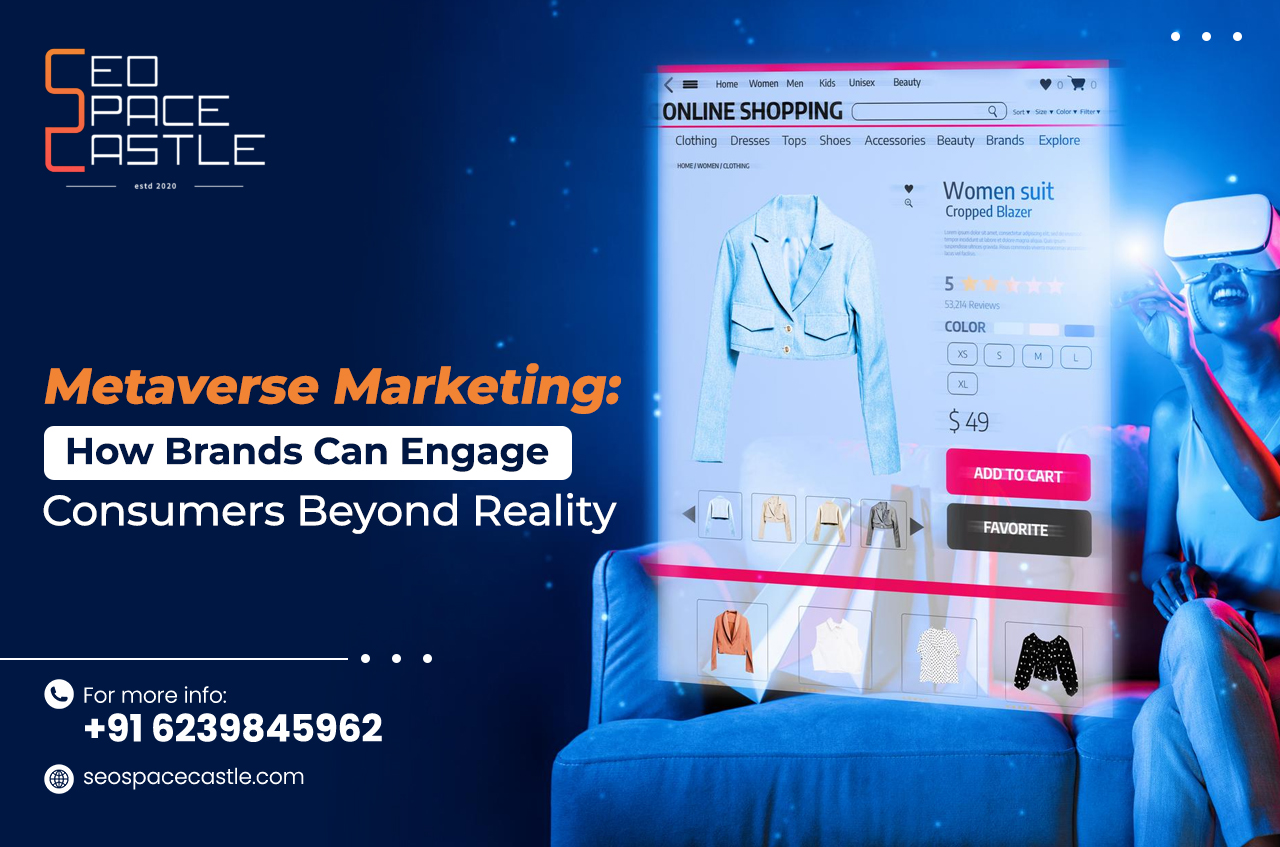
The metaverse is not simply one location. It's a collection of digital spaces in which people can play, shop, attend events, and more. Websites like Roblox, Fortnite, Decentraland, and Meta's Horizon Worlds already have millions of users.
Brands are entering these spaces to create engaging experiences. This is referred to as metaverse branding.
A couple of simple examples:
1.) Gucci hosted a virtual Gucci Garden inside Roblox, which received millions of visitors.
2.) Wendy's created a digital restaurant space inside Fortnite to tap into a younger audience.
3.) Coca-Cola hosted virtual experiences tied to NFT drops.
Gen Z and Gen Alpha are spending a ton of time in virtual spaces. Rather than provide them with ads, brands are instead building digital spaces for users to experience, explore, and interact. This is the importance of metaverse branding.
4.) Blockchain Advertising: A More Transparent Future
Traditional advertising suffers from certain flaws. Issues such as lack of metrics, ad fraud, user privacy, and unreliable data challenge the efficacy of traditional advertising. Blockchain provides a remedy because anything that occurs on the blockchain is stored publicly, and cannot be tampered with.
Blockchain advertising requires verification of each impression, click, and engagement in real time. This means:
1.) No fake clicks
2.) Accurate reporting
3.) Real transparency
4.) More trust between brands and customer
Companies like Brave and IBM are already developing advertising systems with integrated blockchain. This may come to be the foundation of digital advertising in the future because it offers transparency, trustworthiness, and better targeting.
As users become more educated to how their data is being used, transparency has a significant part in whether they work with a brand. Blockchain helps foster the trust.
5.) Web3 Influencer Marketing: The New Creator Economy
Influencer marketing is already one of the most powerful forms of digital marketing. Web3 enhances influencer marketing with a layer of authenticity. In Web2, influencers endorse brands, create content, and monetize their influence through blockages (paid partnerships). In Web3, influencers can build communities that they jointly own.
Here's what sets Web3 influencers apart:
1.) They can launch their own NFTs.
2.) They can create private communities that fans can access through tokens.
3.) They can create partnerships with brands on projects that give digital ownership.
4.) They can create experiences in the metaverse.
This type of partnership feels more relatable because the influencer is not promoting a product. They share ownership and long term value to their fan base.
Gary Vaynerchuk offers the simple definition when he said, "Web3 influencers are not only creators; they are partners in the communities they develop." This concept of shared ownership substantiates their impact in a meaningful way.
6.) Should You Care About Web3 Marketing?
There are some reasons why Web3 is important:
1.) Consumer behavior is changing:
Young audiences care about ownership, community, and identity. Web3 provides those three.
2.) Early adopters always win:
Brands or people who adopted social media early have always had stronger foundation. This will happen with Web3 tools
3.) It builds a better community:
Web3 allows brands to reward loyal customers, build exclusive groups, and help create a long-lasting community.
4.) Gives transparency:
Because of stricter privacy laws, Blockchain advertising and on-chain data will become forces to be reckoned with.
5.) It creates additional revenue streams:
There are many new ways to innovate for brands in terms of digital products or virtual experiences.
Frequently Asked Questions
Because marketing is a fast-moving landscape. Following top marketing blogs will help you keep up on what's going on, helps you learn real marketing strategies, and avoid costly mistakes from trial-and-error.
Start with Neil Patel or Backlinko. Both do a good job of breaking down complicated elements in SEO in simple words.
HubSpot and Content Marketing Institute is ideal for founders looking to build their brand from scratch.
Aim for about 2 to 3 times a week. Even just a short read will help you keep your marketing strategies sharp.
Yes! All of these are free, regularly updated marketing blogs, and they all contain information you can use immediately.
Final Words
You don't have to worry about Web3, and you don't have to rush in. But, it is beneficial to understand Web3. NFT marketing, metaverse brand marketing, blockchain advertising, and Web3 influencer marketing are not phases that will fade away.
All of them have evolved or are evolving into a more useful tool for brands to use to build increasing, better, and longer-lasting relationships with their audience.
The Internet is changing again, and brands that prepare now will be the ones that grow faster when the next digital revolution becomes adopted by everyday consumers.